
Guides
189 posts · learn step by step
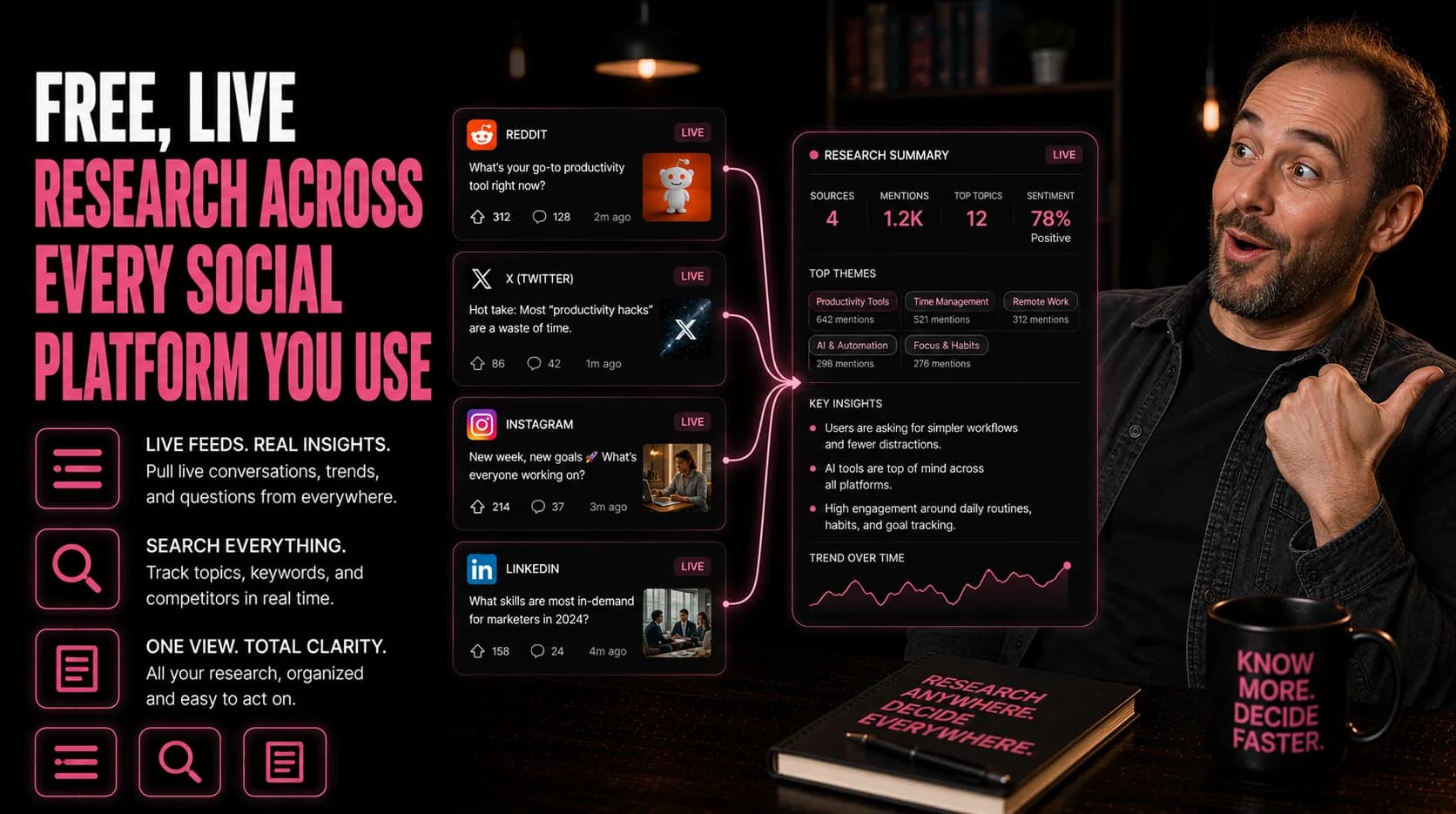
Give Claude Live Eyes on Reddit, X, IG, YouTube, and LinkedIn
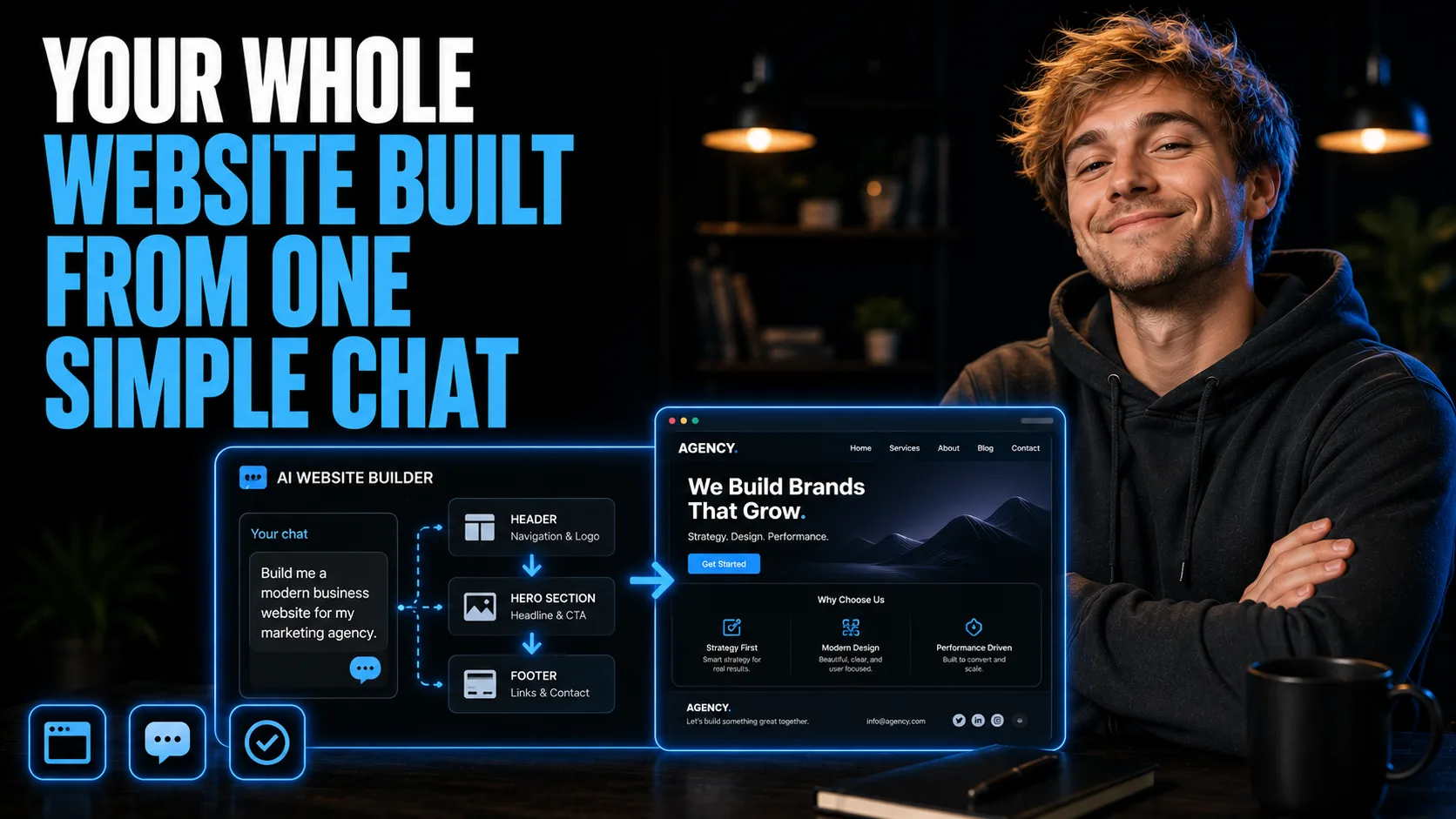
Build Your Whole Business Website With ChatGPT

One Creative Brief, Every Format You Need

Turn Your Expertise Into a Live Digital Product in 4 Days

Install the #1 Marketing Plugin for Claude Code
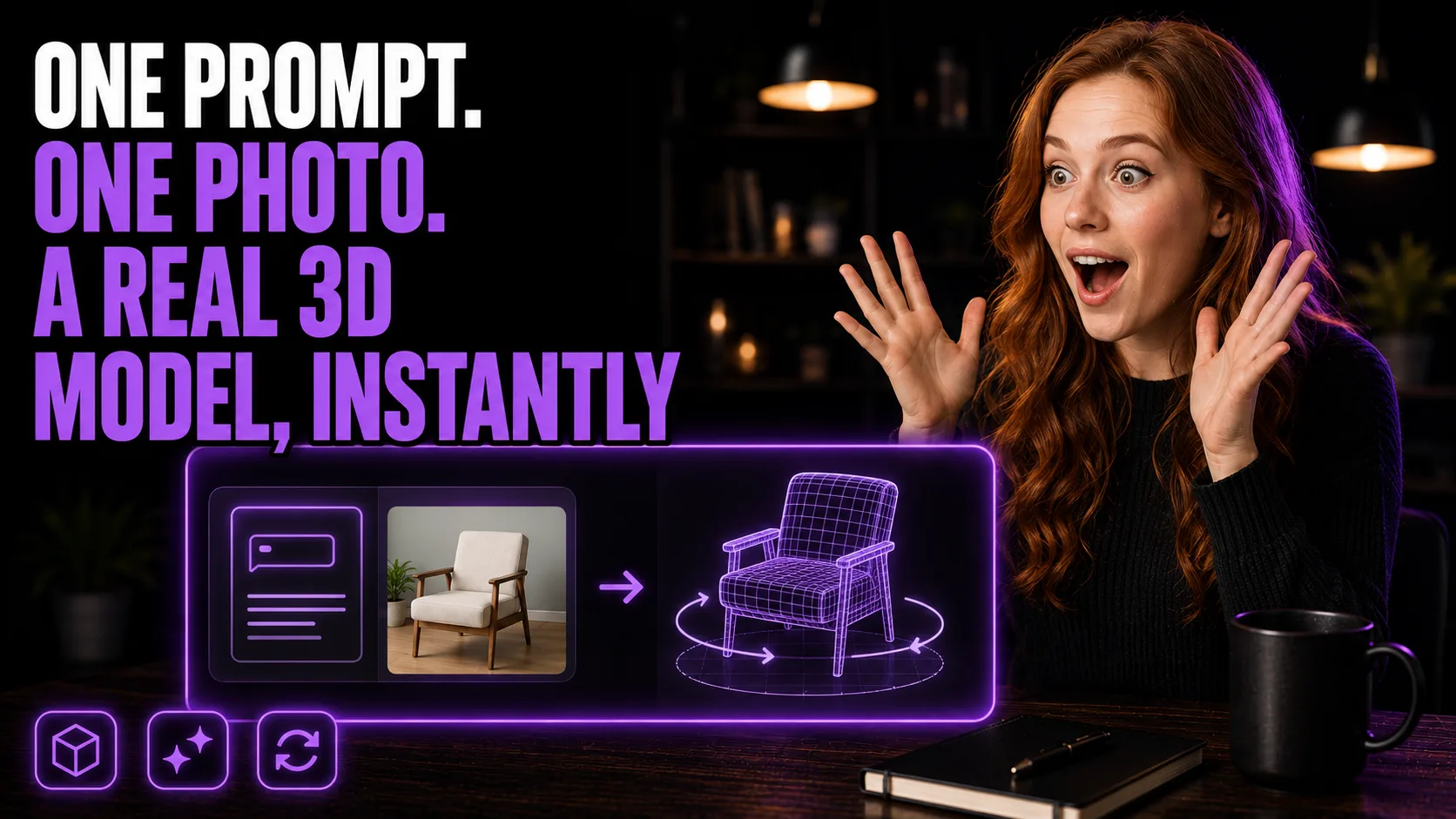
Meshy: Turn Text or Images Into 3D Models Instantly
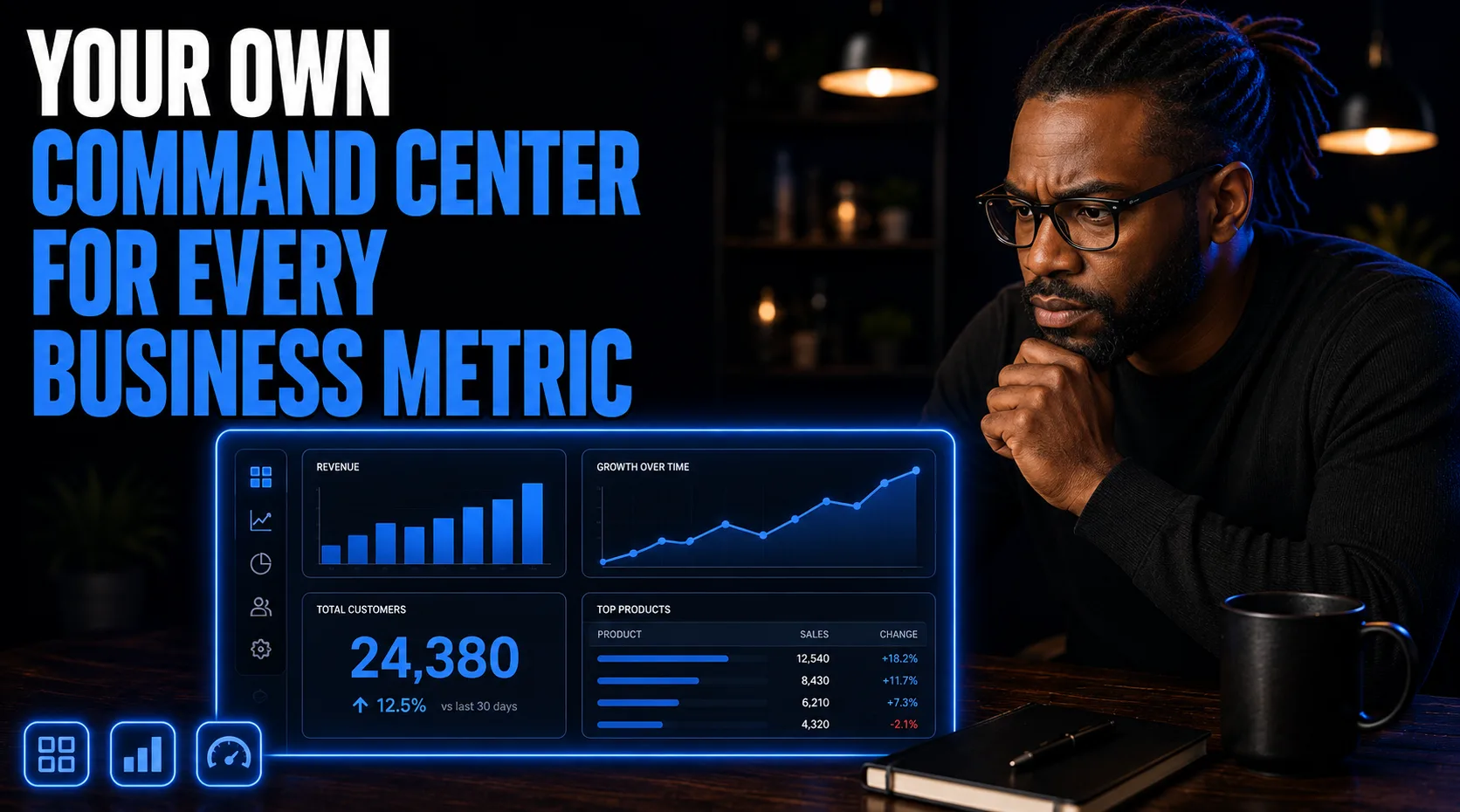
Build a Command Center Dashboard With Claude

6 Copywriting Tips for Product Descriptions
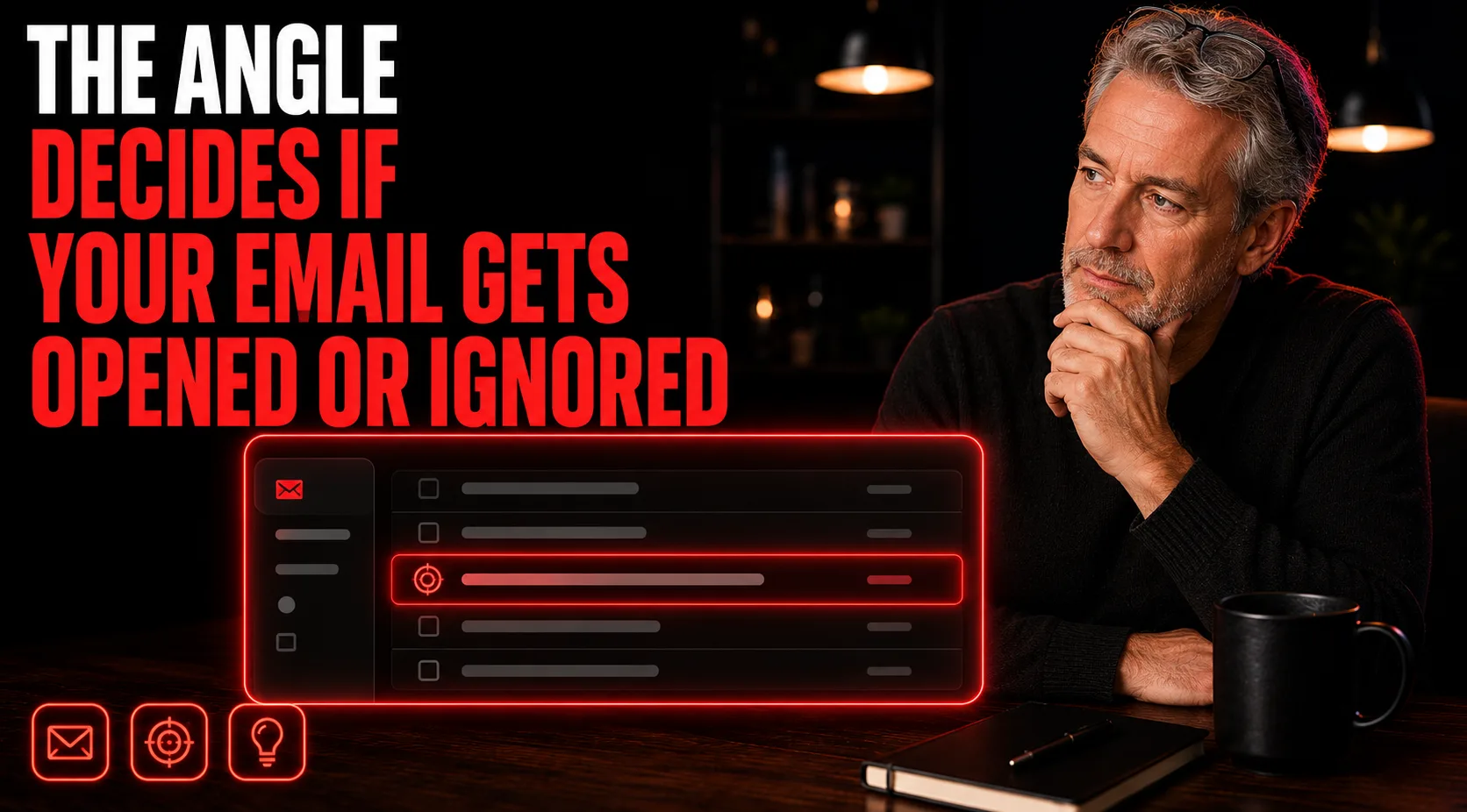
How Angles Can Make or Break a Sales Email

Write a Newsletter Issue People Actually Read
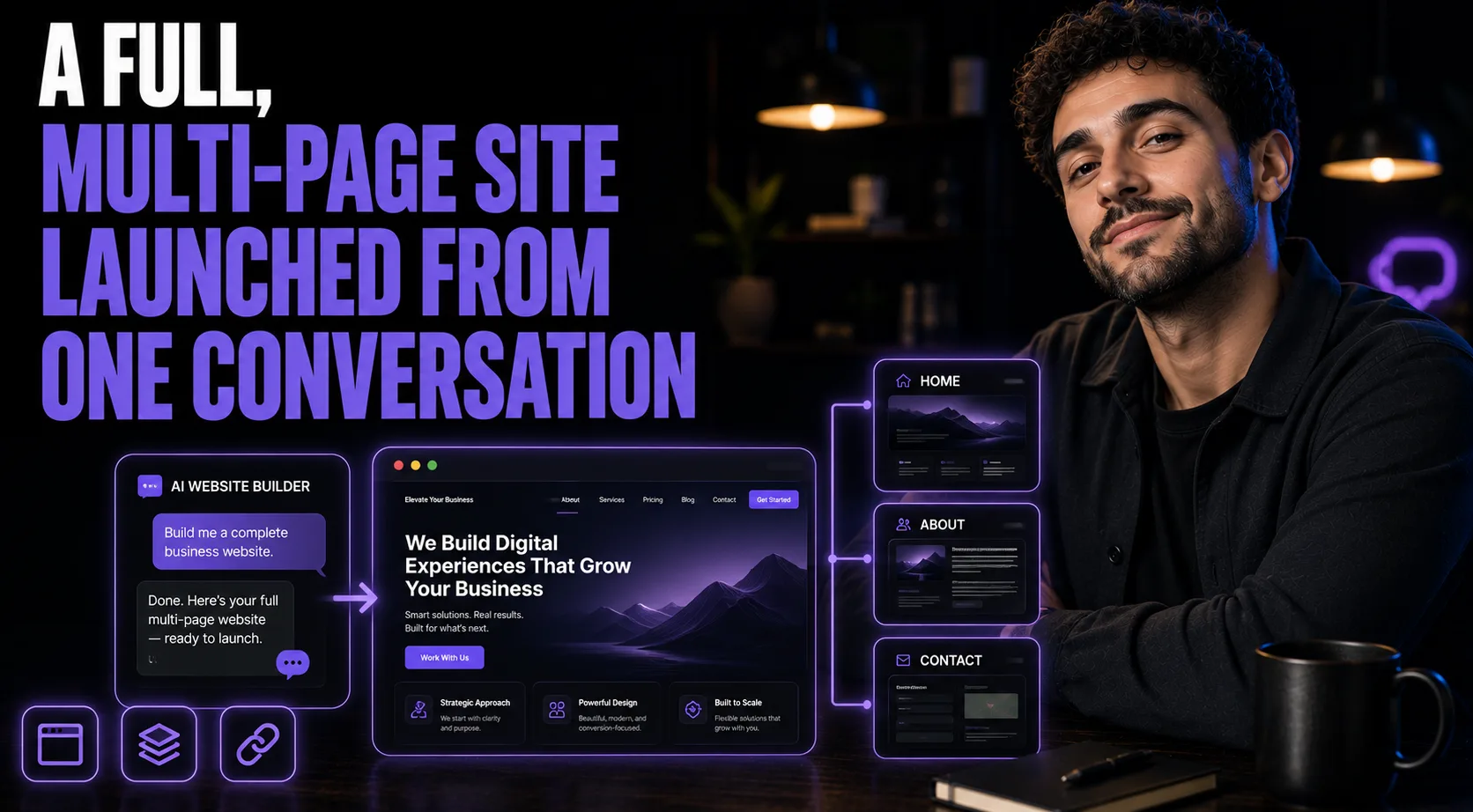
Build a Full Multi-Page Website With ChatGPT
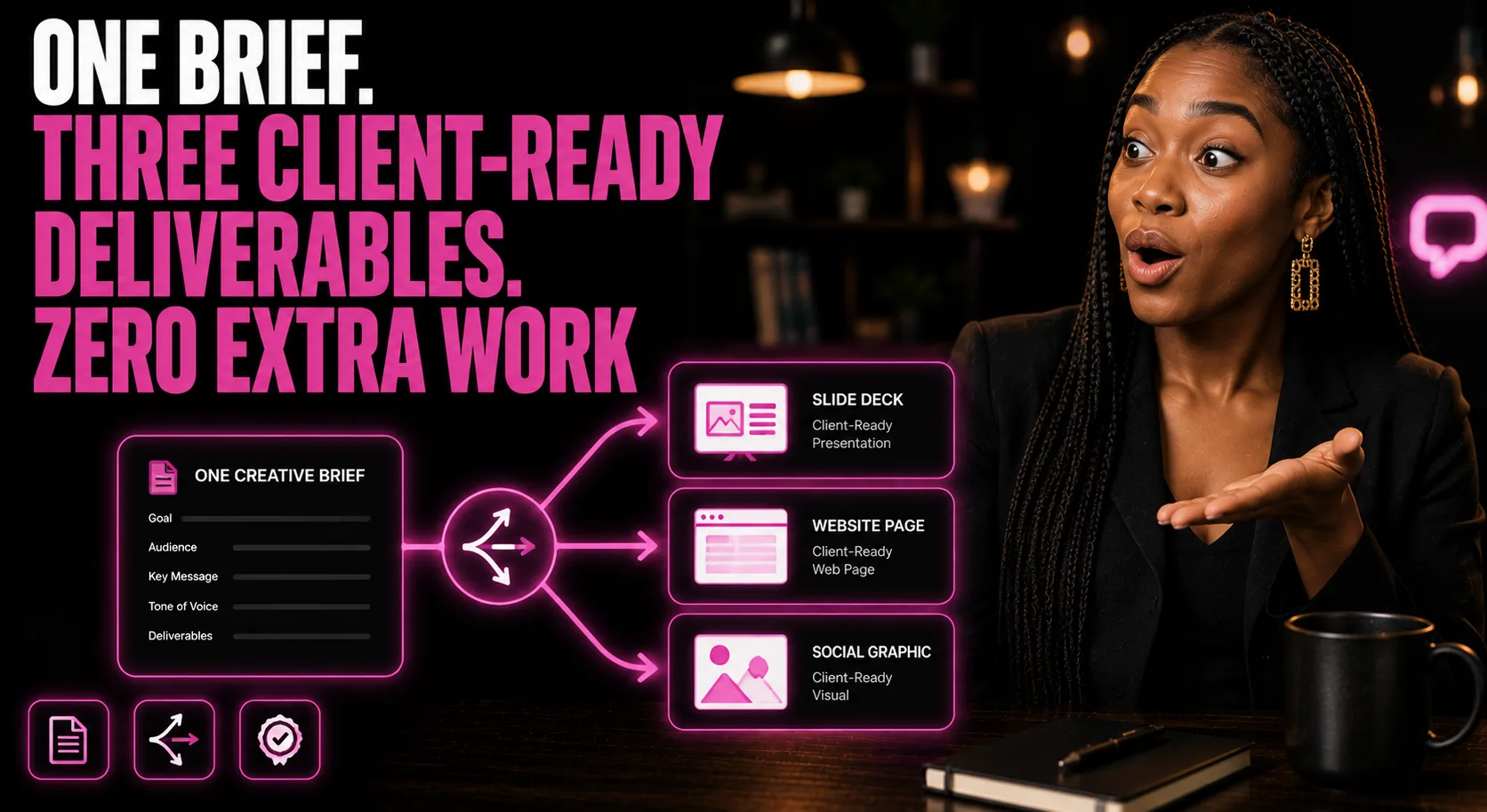
One Brief, Three Deliverables: Slides, Site, and Design

Turn a Wireframe Into a Coded Landing Page

Build a No-Code WhatsApp AI Chatbot Agent

Optimizing Claude for Advanced Engineering Workflows

GitHub Repo to Multi-Agent Developer Pipeline
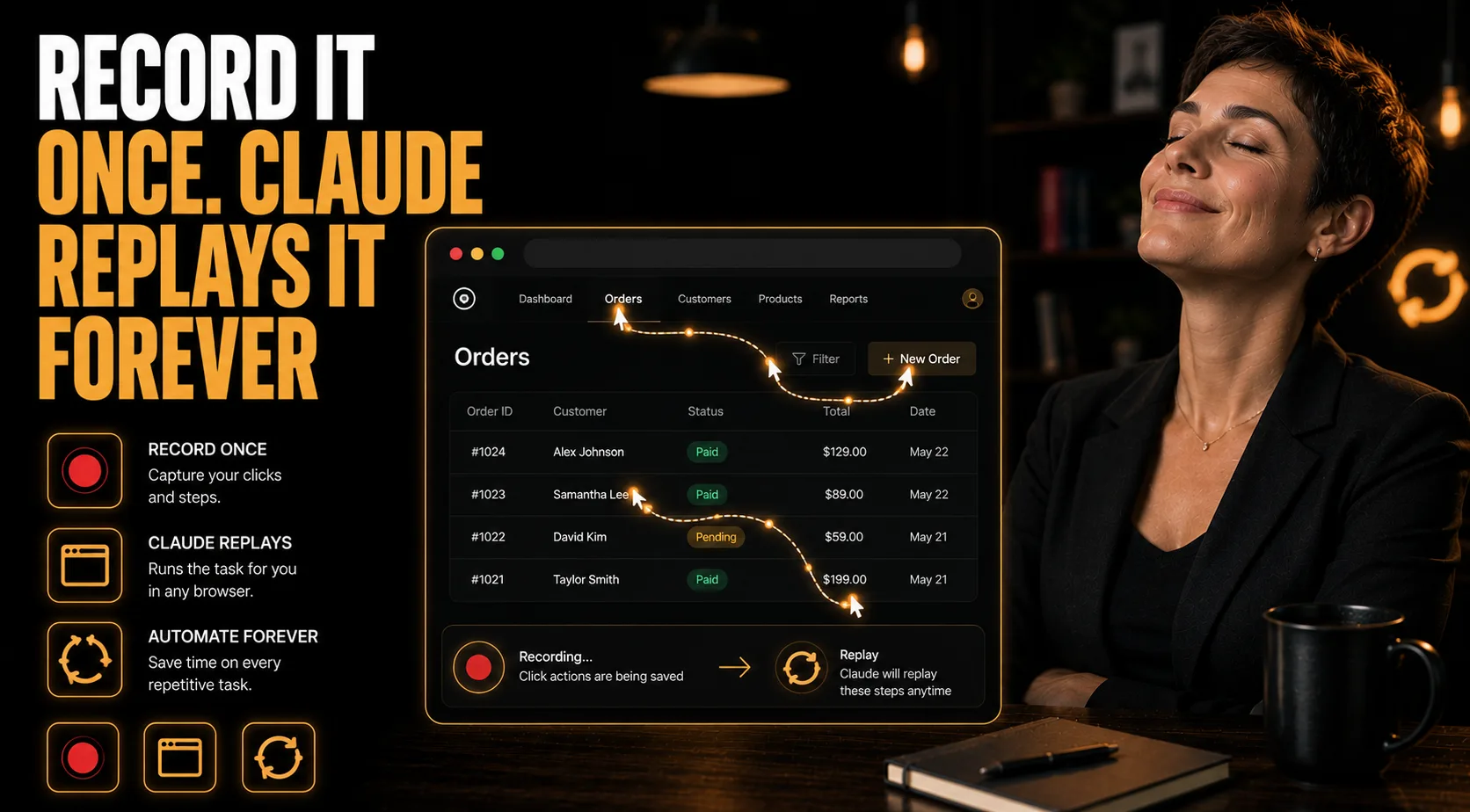
Claude Browser Automation Pipeline
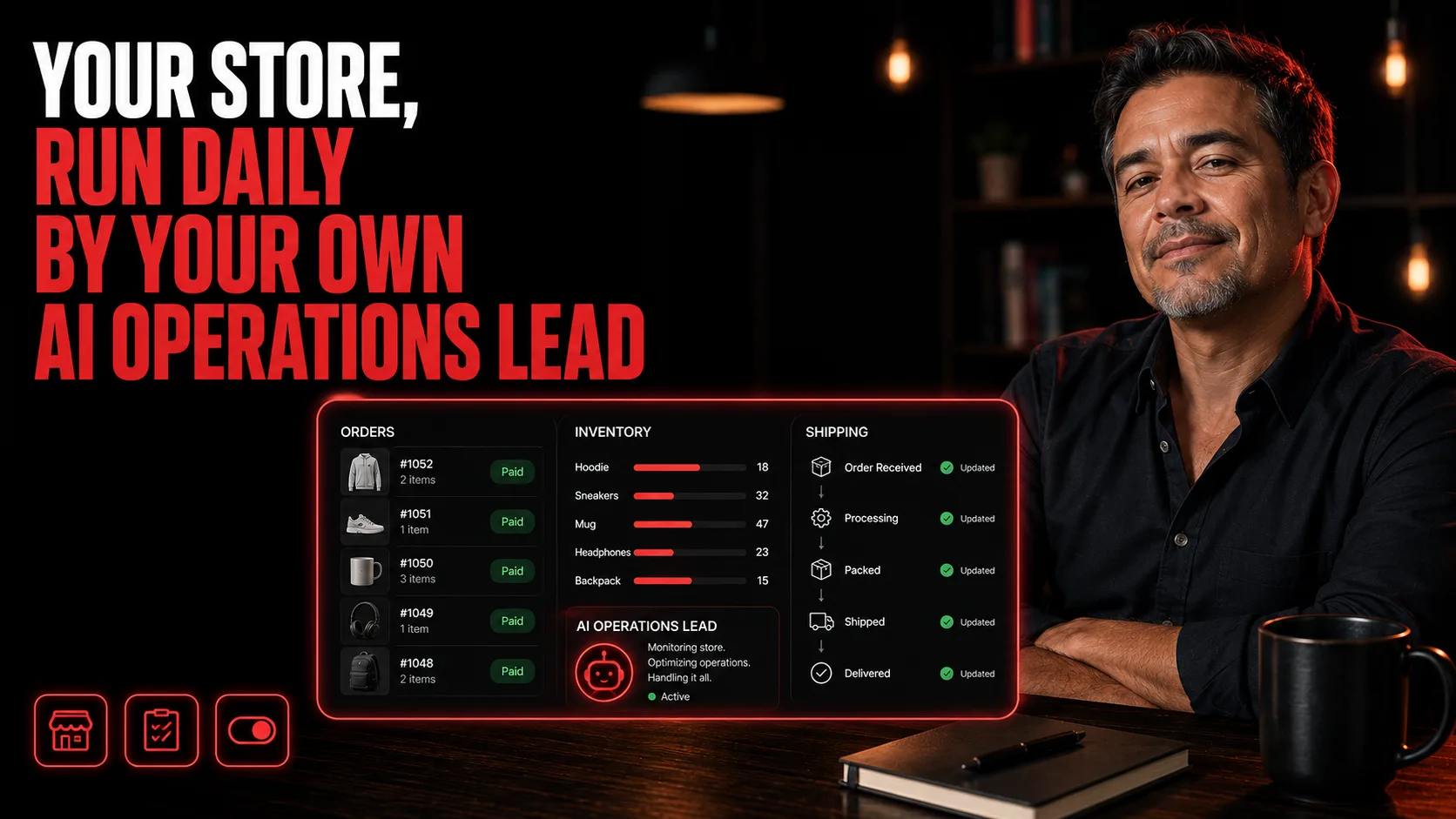
Claude CoWork: Remote E-commerce Autopilot Pipeline
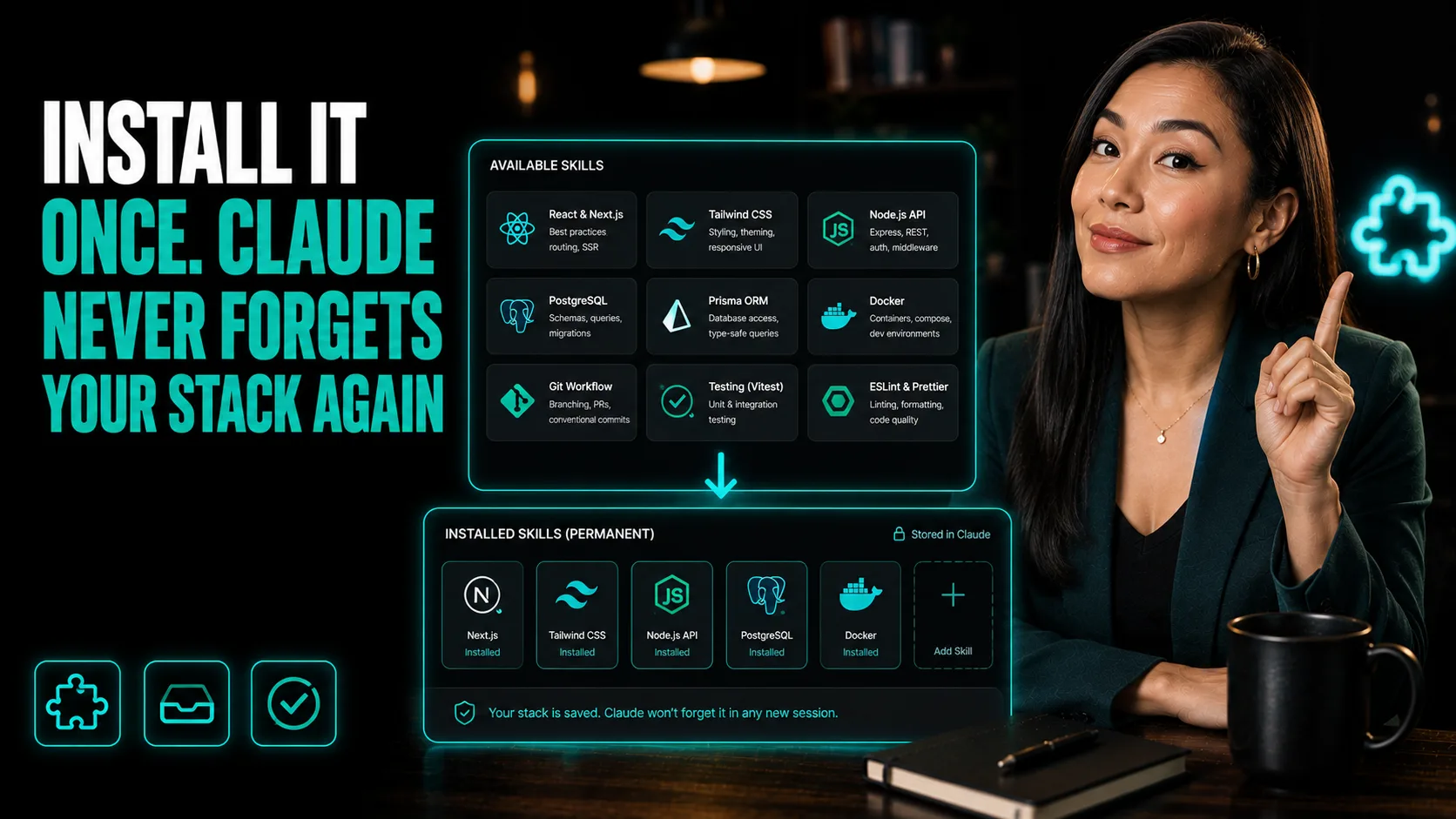
Claude Code Custom Skills Deployment Pipeline
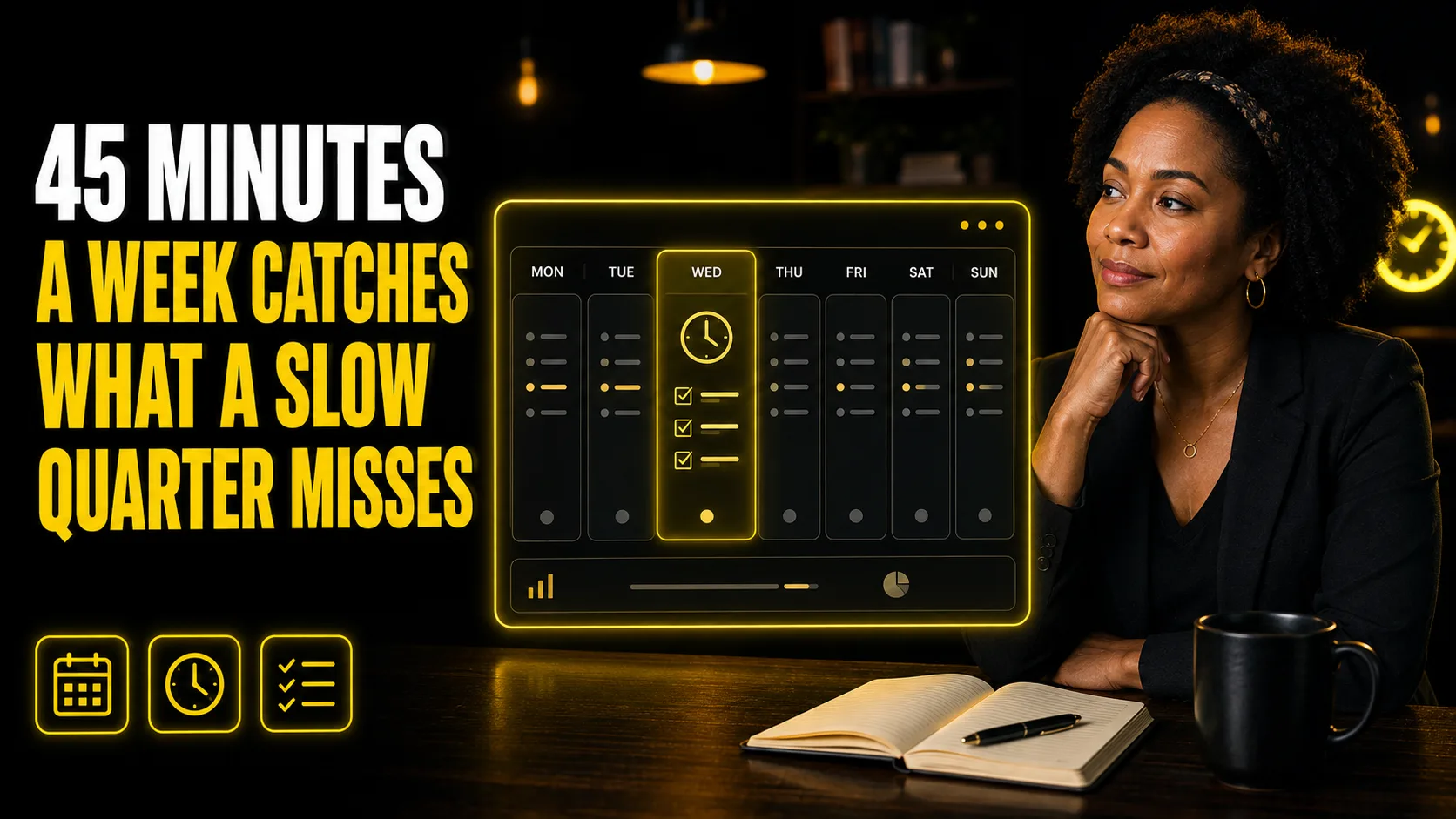
The Weekly Review That Keeps Your Business From Going Quiet
Give Claude Live Eyes on Reddit, X, IG, YouTube, and LinkedIn
Agent Reach is a free, open-source CLI tool that gives Claude live read access to Reddit, Twitter/X, YouTube, GitHub, LinkedIn, Instagram, and Facebook. Instead of a 'no internet access' assistant, you get a research partner that pulls real-time trends, audits your own social performance, and scans competitors on demand — with no paid API required. This guide walks through installing the tool, safely connecting each platform with a throwaway account, and using it directly inside a normal Claude conversation.
Build Your Whole Business Website With ChatGPT
This beginner-friendly guide walks a founder or marketer through building an entire multi-section business website with ChatGPT end to end — from conversion goal through launch QA — so you leave with a complete, reviewed draft rather than a single disconnected page. It starts by deciding whether the site should capture a lead, sell a product, book a call, or explain an offer, then gathers the offer, audience pain points, proof, tone, competitors, and reference designs before anything gets written. The full site map — every page and section in order — is generated before any copy, and every page is drafted section by section with headline, body copy, CTA, and design notes grouped together. Because this is a full end-to-end build, going straight to page-by-page copy without a locked site map is the most common cause of a disjointed final site, so resist skipping the structure step. Save the brief and prompts as a template for the next full-site build.
One Creative Brief, Every Format You Need
This guide helps marketers and agencies use Claude's design capabilities across multiple output formats — slides, websites, and standalone designs — from one shared creative brief, so a single strategic input can produce several client-ready or campaign-ready assets instead of building each one separately from scratch. It starts with the conversion goal for the asset, then gathers offer, audience, proof, tone, and reference context once and reuses that same context set across every format. Structure comes before copy, and it's generated separately per format so each output gets its own logical flow rather than one structure forced onto every deliverable. Every format is reviewed for the same standard: generic copy, weak CTAs, missing proof, and design choices that feel templated rather than brand-specific. The leverage here is reusing one strong brief across formats instead of re-briefing for each asset — confirm current Claude Design features and UI before publishing externally, since capabilities in this space evolve quickly.
Turn Your Expertise Into a Live Digital Product in 4 Days
This guide walks a creator, coach, or consultant through a 10-prompt Claude pipeline that turns expertise into a fully packaged digital product — concept, content, landing page, pricing, launch plan — cutting a normally weeks-long production process down to 12–14 focused hours across four days. Day 1 validates and scopes the idea; Day 2 drafts the content section by section; Day 3 builds every marketing asset (landing page copy, cover art brief, pricing strategy, SEO/discovery assets); Day 4 sets up the delivery platform and runs the launch. Claude provides scaffolding, not the finished product — the section-drafting step still requires genuine human input to be worth buying. Validate the concept in 2–3 relevant communities before you build, and verify current platform fee structures before publishing.
Install the #1 Marketing Plugin for Claude Code
Claude Code in plain chat mode can't run structured marketing workflows — it needs the underlying commands installed first. This guide adds a pre-built skills marketplace and installs a 40+ command marketing bundle covering SEO/GEO/AEO audits, paid ads review across Google, Meta, YouTube and LinkedIn, content production, cold outreach sequences, and landing page CRO. Once installed, every other Claude Code marketing workflow — ad audits, outreach sequences, content ops — has the underlying commands it depends on. This is the one-time foundation install every other automation in this hub assumes you've already completed.
Meshy: Turn Text or Images Into 3D Models Instantly
3D assets used to require either a modeling skillset or a budget for a freelancer. Meshy removes both requirements: it's a no-code tool that turns a text description or a single reference image into a professional 3D model in seconds. For a small business owner, content creator, or product seller, that means product visuals, store listing renders, or content assets without ever opening modeling software. This guide covers the confirmed core workflow; treat exact UI steps, output formats, and pricing as worth double-checking directly in Meshy before you build a process around it, since tools like this iterate their interface quickly.
Build a Command Center Dashboard With Claude
Most founders track performance across five open tabs — a social analytics dashboard, a revenue spreadsheet, a podcast host's stats page, a goals doc. This guide uses Claude as a full-stack developer to generate a custom 'Command Center' dashboard that aggregates all of it into one view, without touching a paid BI tool or stitching together spreadsheets by hand. You give Claude your metrics, your goal for the dashboard, and your tech comfort level, and it returns the architecture, a system prompt for keeping Claude in the developer role, the data integration logic, and an MVP setup script — everything needed to run your own private dashboard locally.
6 Copywriting Tips for Product Descriptions
A feature list only informs — it doesn't sell. This guide walks through six disciplines for turning specs into product copy that converts: translating every feature into its benefit, leading with the main use case instead of a generic claim, adding proof and specificity that reduce doubt, handling the objections buyers are actually thinking about, and producing short, medium, and long variants for the product page, ads, and email. The result is a product description package where every feature is paired with the reason it matters, backed by proof, with objections pre-answered.
How Angles Can Make or Break a Sales Email
Most sales emails read like they could have been sent any day of the year, because they weren't built on a specific reason to send today. This guide helps you find the one timely angle — a news hook, a deadline, a pattern you noticed, an objection you keep hearing — and carry it through the subject line, preview text, and body so every part of the email is pulling toward the same point. A strong angle diluted by unrelated body copy still fails, so the angle gets decided first, before any lines are generated.
Write a Newsletter Issue People Actually Read
Most newsletters fail before a single sentence gets written, because nobody decided what the issue is actually supposed to do. Trying to earn clicks, replies, and purchases all in the same email means it earns none of them. This workflow forces the decision first: pick one job, gather real inputs (pain points, proof, objections, tone), then commit to a single angle before drafting. What comes out is a structured draft with one CTA, followed by an editor-level critique that scores hook strength, specificity, and proof, so weak spots get caught before you hit send, not after your open rate tells you.
Build a Full Multi-Page Website With ChatGPT
Most site-building guides show you one page and leave you to figure out the rest yourself. This one doesn't stop at the homepage. You'll take a business idea all the way through a full site map, section-by-section copy and design direction for every page, and a launch QA checklist, using nothing but ChatGPT and whatever builder you already have. The reason most first sites feel disjointed is that people write page by page without ever locking a whole-site structure first; this walkthrough puts that step where it belongs, before a single word of copy gets written.
One Brief, Three Deliverables: Slides, Site, and Design
Agencies and marketers usually re-brief from scratch for every asset: a pitch deck gets its own creative pass, the website gets another, and a one-pager starts over again. That's where the hours disappear. This workflow builds one strong brief, offer, audience, proof, tone, and required sections, then reuses it across formats. Claude generates the structure for each format separately, then drafts copy and design direction section by section, so a slide deck, a website, and a standalone design can all trace back to the same strategic input instead of drifting apart from each other.
Turn a Wireframe Into a Coded Landing Page
The blank screen is the real cost of a landing page project, not the coding. This workflow skips it: you hand Claude Code your offer, audience, and a rough wireframe, and get back a locked section structure before a single word of copy gets written. Structure first means the headline, proof, and CTA choices all serve one page promise instead of fighting each other. What comes out the other side is a reviewable draft built on real hierarchy, not a loose AI sketch you have to reverse-engineer into a build.
Build a No-Code WhatsApp AI Chatbot Agent
Customers expect an instant reply on WhatsApp, not a queue. This guide wires n8n's WhatsApp Trigger straight into an AI Agent node so every incoming message gets an accurate, on-brand response in seconds, no custom backend required. You configure the system prompt once, connect your Meta WhatsApp Business Cloud API credentials, and the automation runs itself around the clock. It's the fastest path from 'we're missing messages' to a fully staffed first line of support.
Optimizing Claude for Advanced Engineering Workflows
Code that technically runs but ignores your architecture, burns tokens re-explaining context every session, and ships with syntax errors you catch after the fact — that's what happens when Claude is treated like autocomplete instead of a teammate. This guide restructures how you prompt: stable business context and rules go at the front of the window for prompt caching, the active task goes at the end, and a self-correction loop runs linters before any code reaches you. The result is an engineering collaborator that understands why, not just what.
GitHub Repo to Multi-Agent Developer Pipeline
One agent working through a codebase sequentially is slow, and running everything on premium model tiers is expensive. This guide sets up an open-source multi-agent orchestration framework where up to 60 sub-agents work a task in parallel — coding, testing, and security review happening simultaneously against a single shared memory matrix — while a cost-routing layer sends boilerplate work to cheap or free model tiers and reserves premium reasoning for the architectural decisions that actually need it.
Claude Browser Automation Pipeline
The same 20-minute CRM update or spreadsheet pull happens every morning, and it's still you clicking through it by hand. This guide uses the free Claude Chrome extension to eliminate that: record the workflow once, showing Claude exactly where to click and what to type, and it saves the sequence as a repeatable automation. No code, no developer plugins — just a task you show once and a browser that runs it for you from then on.
Claude CoWork: Remote E-commerce Autopilot Pipeline
Support tickets pile up, inventory drifts out of sync, and marketing tasks stall the moment you step away from your e-commerce store. This guide sets up Claude CoWork as a remote operations lead — one that prioritizes your task queue by revenue and urgency, takes ownership of a specific workflow like support or inventory, flags bottlenecks before they become fires, and hands you a clear end-of-day briefing. You stay the decision-maker; Claude handles the execution while you're away.
Claude Code Custom Skills Deployment Pipeline
Most Claude Code sessions start from zero — re-explaining your stack, your conventions, your third-party APIs every single time. This guide sets up a permanent skill layer instead: a one-time deployment plan that installs pre-built skills for the vendors you actually use (Stripe, Vercel, Google, and others), wires them into a shared workflow, and verifies they work together before you rely on them. Once installed, Claude stops re-learning your tools and starts executing against them directly.
The Weekly Review That Keeps Your Business From Going Quiet
Businesses don't usually die from one bad decision — they go quiet gradually, a few dropped follow-ups and stalled leads at a time. This guide gives you a fixed 45-minute weekly review that collects what's outstanding, checks the pipeline, picks one action that matters, and closes loops before they turn into silence.
Showing 20 of 189
Going to need this again?
A free account keeps your guides in one place, so the good one isn't three searches away next time.
Create free account